





風扇過濾單元(FFU)

概述:

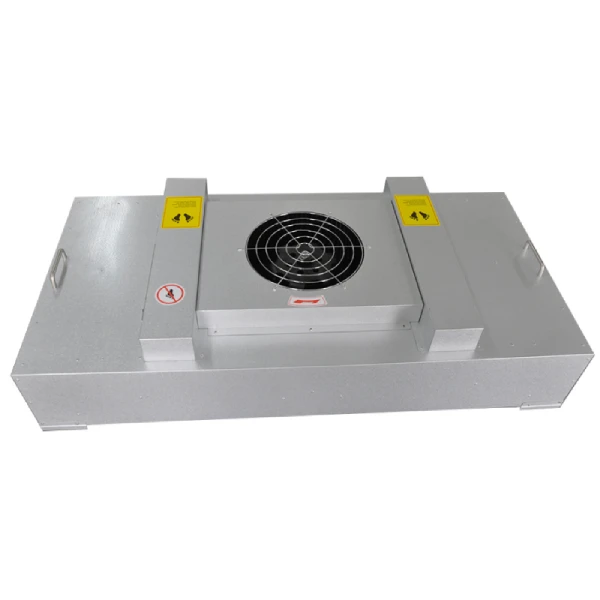
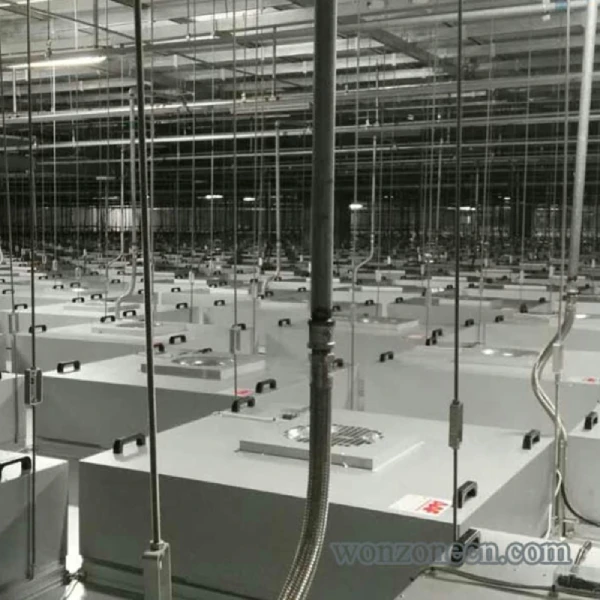
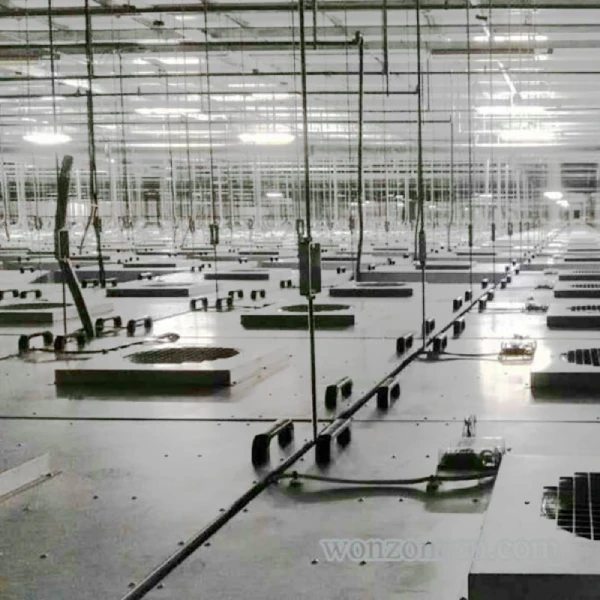
FFU是Fan Filter Unit的縮寫,是一種將風扇和高效篩檢程式集成到單個單元中的空氣淨化裝置。 FFU通常安裝在潔淨室的天花板網格中,作為終端供氣裝置,將高效過濾的清潔空氣輸送到潔淨室環境中。 FFU是現代潔淨室的覈心設備部件之一,廣泛應用於對空氣清潔度要求嚴格的行業,包括製藥、生物技術、電晶體製造、電子生產、醫院和食品加工。

關鍵字:
風機過濾單元、FFU潔淨室、HEPA風機篩檢程式單元、潔淨室FFU、潔淨室用FFU風機篩檢程式、層流、單向氣流、空氣顆粒物控制

1.產品概述

FFU是Fan Filter Unit的縮寫,是一種將風扇和高效篩檢程式集成到單個單元中的空氣淨化裝置。 FFU通常安裝在潔淨室的天花板網格中,作為終端供氣裝置,將高效過濾的清潔空氣輸送到潔淨室環境中。

The FFU is one of the core equipment components in modern cleanrooms, widely used in industries with strict air cleanliness requirements, including pharmaceuticals, biotechnology, semiconductor manufacturing, electronics production, hospitals, and food processing.

2. Working Principle

FFU的工作原理可以概括為三個階段:風扇驅動的進氣、過濾和淨化以及均勻供氣。

首先,風扇驅動的進氣口。 FFU的內部風扇從潔淨室上方的天花板回風室或靜壓室吸入空氣。

第二,過濾和淨化。 空氣通過內寘的高效篩檢程式(HEPA,高效顆粒空氣篩檢程式)或超低滲透篩檢程式(ULPA,超低滲透空氣篩檢程式),有效地捕獲空氣中的顆粒物、細菌、灰塵和其他污染物。

Third, Uniform Air Supply. The filtered clean air is evenly delivered into the cleanroom through the FFU outlet, creating either unidirectional or non-unidirectional airflow patterns to maintain the required cleanliness level.

Depending on the filter efficiency selected, FFUs can achieve cleanroom environments ranging from ISO Class 5 to ISO Class 8.

3.產品結構和組件

FFU由以下覈心組件組成:

Fan: Typically a high-efficiency centrifugal fan or EC fan, characterized by low noise, low energy consumption, and adjustable airflow capacity.

高效篩檢程式:包括HEPA篩檢程式(0.3微米顆粒效率為99.97%或更高)和ULPA篩檢程式(0.12微米顆粒效率達到99.999%或更高。

Housing: Generally manufactured from galvanized steel sheet, stainless steel sheet, or aluminum alloy, providing good airtightness and structural strength.

穿孔面板/擴散器:安裝在FFU出口處,以確保供應空氣的均勻分佈。

Control Unit: Includes speed controller, differential pressure alarm device, and remote monitoring interface, enabling local or centralized control of FFUs.

Sealing Device: Includes sealing gaskets and sealing tapes to ensure a tight seal between the FFU and the ceiling grid frame, preventing unfiltered air from leaking into the cleanroom.

4. Features and Advantages

第一,模組化設計。 FFU採用標準化的模塊尺寸,允許根據潔淨室面積靈活配寘數量。 它們易於安裝和拆卸,便於潔淨室的翻新和擴建。

第二,獨立控制。 每個FFU可以獨立控制啟動/停止和氣流速度,根據不同區域的實際要求實現基於需求的供氣,從而節約能源。

Third, Low Operating Noise. Utilizing low-noise fans and optimized airflow path designs, FFUs operate at low noise levels, making them suitable for laboratories and production environments with strict noise requirements.

Fourth, High Filtration Efficiency. Equipped with HEPA or ULPA filters, FFUs effectively remove microscopic airborne particles, ensuring cleanroom air quality.

Fifth, Easy Maintenance. Filter replacement is simple, and the fan unit can be serviced from above or below the ceiling without disrupting normal cleanroom operations.

Sixth, Energy Efficiency and Environmental Friendliness. EC fan technology offers low energy consumption, and speed can be adjusted according to actual demand, reducing unnecessary energy waste.

5. Technical Specifications (Standard)

Fan Type: Centrifugal fan or EC fan

Power Supply: AC220V 50Hz or AC380V 50Hz

Standard Dimensions: Typically 1175mm × 575mm or 1175mm × 1175mm, can also be customized based on ceiling grid dimensions

HEPA Filtration Efficiency: 99.97% or higher for 0.3 micron particles

ULPA Filtration Efficiency: 99.999% or higher for 0.12 micron particles

Rated Airflow: 500 to 2000 cubic meters per hour (varies by size and model)

External Static Pressure: 50 to 250 Pascals (adjustable)

Noise Level: Less than 55 dB(A)

Housing Material: Galvanized steel sheet, stainless steel sheet, or aluminum alloy

Control Method: Five-speed adjustment, stepless speed adjustment, or centralized control system

工作溫度:0至40攝氏度

工作濕度:相對濕度小於95%

6. Product Classification

Standard FFU: Utilizes AC fans or multi-speed DC fans, suitable for conventional cleanroom environments.

EC FFU: Utilizes EC fans (Electronically Commutated fans), offering higher energy efficiency and more precise speed control, ideal for applications requiring energy savings and accurate control.

低噪音FFU:具有特殊的降噪設計,可在更低的譟音水准下運行,適用於實驗室和醫院等譟音敏感環境。

耐腐蝕FFU:外殼和風扇由耐腐蝕資料製成,適用於含有腐蝕性氣體或化學品的潔淨室環境。

防爆FFU:配備防爆電機和電力元件,適用於含有易燃易爆氣體的特殊潔淨室環境。

天花板安裝式FFU:標準安裝型,嵌入天花板網格。

壁掛式FFU:安裝在牆上,適用於空間受限的區域或特殊的氣流模式要求。

7. Application Areas

FFUs are widely used in various locations with strict air cleanliness requirements.

Pharmaceutical Industry: Used in drug production workshops, sterile preparation workshops, API purification and packaging workshops, complying with GMP requirements. FFUs provide ISO Class 5 to Class 8 cleanroom environments, ensuring air quality during pharmaceutical production.

Biotechnology and Life Sciences: Used in biological laboratories, cell culture rooms, genetic laboratories, etc., preventing airborne microorganisms and particles from contaminating experimental samples.

Semiconductor and Electronics Manufacturing: Used in chip fabrication, wafer processing, LCD panel production, precision electronic component assembly, etc. The semiconductor industry requires extremely high cleanliness levels, typically ISO Class 1 to Class 5, and FFUs are key equipment for achieving this.

Hospitals and Medical Facilities: Used in operating rooms, ICU wards, sterile treatment rooms, central sterile supply departments, etc. FFUs provide clean air to reduce patient infection risks.

Food and Beverage Processing: Used in food packaging workshops, dairy filling lines, beverage production workshops, etc., preventing airborne microorganisms from contaminating food products.

Precision Instruments and Optics Manufacturing: Used in lens assembly, precision instrument calibration, optical coating, and other processes requiring high environmental cleanliness.

Laboratories and R&D Centers: Used in chemical laboratories, physics laboratories, materials science laboratories, etc., protecting experimental samples and precision instruments from airborne particle interference.

Data Centers and Computer Rooms: Used in server rooms, telecommunications rooms, etc. FFUs help maintain the clean environment and appropriate temperature required for equipment operation.

航空航太和國防:用於航天器組裝、精密導航設備製造、武器系統維護以及其他有特殊清潔要求的應用。

動物飼養設施:用於SPF動物室、實驗動物中心等,防止空氣傳播的病原體進入動物飼養區。

8.與其他潔淨室設備的比較

FFU與中央HVAC系統:傳統的中央HVAC系統通過集中式空氣處理機組和長筦道系統向潔淨室供氣,導致高阻力、高能耗,難以獨立調節不同區域的氣流。 FFU使用分佈式供氣,每個單元都獨立控制,具有高度的靈活性和顯著的節能效果。

FFU vs. Fan Filter Box: Fan filter boxes are typically larger in size, installed outside the cleanroom, and connected to terminal air supply devices through ducts. FFUs are compact and mounted directly on the ceiling, saving space and offering easier installation and maintenance.

FFU vs. High-Efficiency Air Supply Diffuser: High-efficiency air supply diffusers do not have an integrated fan and rely on external fans for air supply power. FFUs have their own built-in fan, do not depend on external air pressure, and offer more flexible installation, especially suitable for renovation projects and establishing localized clean zones.

9. Selection Guide

Cleanliness Requirement: Select the appropriate filter type based on the required ISO cleanliness class. For ISO Class 5 and above, choose HEPA or ULPA filters. For ISO Class 6 and below, medium-efficiency filters may be suitable.

Cleanroom Area and Height: Calculate the required number of FFUs based on total cleanroom area and ceiling height. Typically, 0.5 to 1 standard-sized FFU is configured per square meter, with the exact quantity determined by the required air change rate.

Airflow Pattern: Unidirectional flow cleanrooms require dense FFU arrangement to achieve uniform vertical laminar flow. Non-unidirectional flow cleanrooms can use fewer FFUs, supplemented by return air columns or return air walls.

Noise Requirements: For noise-sensitive environments such as hospital wards and laboratories, select low-noise FFUs and pay attention to overall installation sound insulation.

Control Method: Choose local speed control or centralized control system. Large cleanrooms are recommended to use centralized control systems for unified management and energy monitoring.

Maintenance Convenience: Consider the ease of filter replacement. Select FFU models that can be serviced from inside the cleanroom or from above the ceiling.

安裝條件:確認天花板結構能够支撐FFU的重量,並且有足够的架空空間用於安裝和維護。

預算和能耗:EC FFU的初始投資較高,但運營能源成本較低。 AC FFU的初始成本較低,但長期能耗較高。 根據項目工期和預算考慮這兩個因素。

10. Installation and Maintenance

Installation Key Points: Before installation, check that the ceiling grid is secure and level. Install FFU support frames on the grid, ensuring they are level. Place the FFU into the frame, achieving a tight seal with the frame using sealing gaskets. Connect power and control cables, ensuring proper grounding. Install the perforated face plate or diffuser. Power on for testing, checking fan operation status and speed adjustment functionality.

Daily Maintenance: Regularly check FFU operating status, including airflow speed, noise, and vibration. Observe the differential pressure indicator and replace the filter promptly when the pressure drop reaches the replacement value. Clean the intake and outlet grilles of the FFU. Inspect sealing gaskets for aging or damage. Periodically conduct airflow speed tests and filter integrity tests (PAO leak testing) on FFUs.

Filter Replacement Procedure: Turn off FFU power. Access the service panel from above or below the ceiling. Remove the old filter. Clean the filter mounting frame. Install the new filter, ensuring proper sealing. Restore power and test operating status.

Common Troubleshooting: If the fan does not operate, check power connections, fuses, and control switches. If airflow is insufficient, check whether the filter is clogged or the fan speed setting is too low. If noise is excessive, check whether the fan impeller is balanced or if foreign objects have entered. If vibration is excessive, check whether the fan mounting screws are loose.

1

雙層玻璃窗如何提高光刻領域的潔淨室效能?

雙層玻璃窗

2

哪些行業使用FFU?

電晶體生產線(對顆粒物敏感)、生物醫學研究實驗室、製藥製造以及任何需要精確氣流、速度和雜訊級控制的受控環境。

3

什麼是風扇過濾單元(FFU)?

FFU是一種模組化空氣淨化裝置,將風扇與HEPA或ULPA篩檢程式組合在一個外殼中。 它提供局部清潔空氣供應,是潔淨室污染控制的基礎。

4

潔淨室在設施設計中的作用是什麼?

潔淨室在更大的房間內提供局部的潔淨環境。 它利用潔淨室風扇過濾單元(FFU)來保持正壓並過濾空氣中的顆粒物。 這種類型的潔淨室本地清潔設備對於需要ISO 5級或更高條件的工藝至關重要,而無需建造完整的潔淨室。 對於需要污染控制的特定工作站,安裝靈活且經濟高效。 p

5

空氣淋浴房如何管理人員進入協定?

人員進入需要嚴格消毒。 潔淨室單人空氣淋浴間專為個人出入而設計,而潔淨室空氣淋浴室在進入關鍵區域之前使用高速空氣去除衣物上的顆粒。 適當的聯鎖系統可確保門不會同時打開,有效地保持壓差和清潔標準。 p

6

大型貨物去污有哪些解決方案?

大型物品需要專門的去污通路。 潔淨室貨物空氣淋浴間可容納進入設施的託盤和大型設備。 通過用於大批量物流的潔淨室貨物空氣淋浴隧道管理連續流量。 較小的物品通過一個潔淨室鋁傳遞箱,該箱具有耐用性和耐腐蝕性。 這些系統可防止外部污染物在資料運輸操作過程中損害內部環境。 p

7

潔淨室系統中的空氣分配是如何管理的?

空氣分配决定了清潔度水准。 潔淨室供氣裝置調節空間內的體積和壓力。 過濾後的空氣通過潔淨室高效空氣出口分散,以確保均勻覆蓋,無湍流。 模組化設定通常利用潔淨室潔淨面板潔淨室無縫集成這些組件。 適當的設計可確保每小時持續的換氣次數,以滿足監管合規標準。 p

8

什麼定義了潔淨室系統的分類?

分類取決於空氣清潔度水准。 潔淨室提供當地語系化的ISO 5級環境。 與潔淨室風扇過濾單元(FFU)集成可確保一致的氣流。 定期維護潔淨室高效出風口對於維持工作空間內的顆粒物控制標準至關重要。 p

9

空氣淋浴房如何加强污染控制?

人員進入需要嚴格消毒。 潔淨室單人空氣淋浴間在進入前會清除西裝上的顆粒物。 對於較大的團體,潔淨室多人空氣淋浴間可有效提高輸送量。 貨物運輸採用潔淨室貨物空氣淋浴室,以防止外部污染物在資料轉移過程中進入關鍵生產區。 p

10

如何保持模組化潔淨區的氣流一致性?

保持適當的氣流對於污染控制至關重要。 潔淨室風扇過濾單元(FFU)可確保整個工作空間的均勻分佈。 與潔淨室潔淨室集成可提供當地語系化的ISO 5級環境。 此外,安裝潔淨室高效出風口有助於有效管理排氣和壓差。 為了在不損害操作完整性的情况下維持效能標準,定期檢查篩檢程式是必要的。


留言

我們很樂意收到你的來信。 給我們發消息,我們會儘快回復
X