







新的ISO 14644更新將在2026年徹底改變潔淨室監控
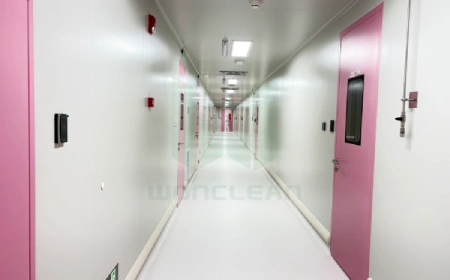
瞭解影響2026年潔淨室操作的最新ISO 14644修訂版。 瞭解現代設施的即時監控要求和能效標準。
新的ISO 14644更新將在2026年徹底改變潔淨室監控
隨著更新的ISO 14644標準的實施,潔淨室行業今年正在經歷範式轉變。 自2026年3月起,設施管理人員和工程師必須適應有關持續監控和數據完整性的更嚴格的指導方針。 這些變化旨在提高產品品質,同時優化受控環境中的能耗。
ISO 14644-1和14644-2的主要變化
The most significant update lies in the transition from periodic sampling to continuous real-time monitoring for ISO Class 5 and stricter environments. Previously, facilities relied on scheduled particle counting intervals. Now, the standard mandates integrated sensor networks that provide live data feeds to central building management systems. This ensures immediate detection of contamination events, reducing the risk of batch loss in pharmaceutical and semiconductor manufacturing.
Furthermore, the revised standards emphasize data integrity. All monitoring systems must comply with ALCOA+ principles, ensuring data is Attributable, Legible, Contemporaneous, Original, and Accurate. This requires upgraded software solutions that prevent data manipulation and ensure secure audit trails. Facilities failing to comply by the end of 2026 may face regulatory setbacks during inspections.
Integration of IoT and AI
Internet of Things (IoT) devices are now central to compliant cleanroom design. Smart sensors communicate seamlessly with HVAC systems to adjust airflow dynamically based on real-time particle counts. Artificial Intelligence algorithms analyze historical data to predict potential filtration failures before they occur. This predictive maintenance approach reduces downtime and extends the lifecycle of HEPA and ULPA filters.
- Real-time particle counting becomes mandatory for critical zones.
- AI-driven HVAC optimization reduces energy costs by up to 30%.
- Cloud-based data storage ensures secure and accessible compliance records.
Energy Efficiency and Sustainability
Sustainability is a core component of the 2026 updates. The new standards encourage the use of variable air volume (VAV) systems that reduce airflow during unoccupied periods without compromising cleanliness. Energy recovery wheels are also recommended to minimize the thermal load on air handling units. These measures align with global carbon reduction goals while maintaining strict contamination control.
Implementation Challenges
Transitioning to these new standards requires significant investment. Retrofitting existing facilities with continuous monitoring systems can be costly and disruptive. However, the long-term benefits of reduced risk and improved efficiency outweigh the initial expenses. Training personnel on new protocols is equally critical. Staff must understand how to interpret real-time data and respond to alarms effectively.
Future Outlook
Looking ahead, the integration of digital twins in cleanroom management is expected to become standard practice. Digital twins allow managers to simulate changes in airflow or layout before physical implementation. As we progress through 2026, the synergy between regulatory compliance and technological innovation will define the next generation of cleanroom facilities. Organizations that embrace these changes early will gain a competitive advantage in quality and operational efficiency.